Why Older Wichita Homes Are Prone to Foundation Trouble
If you own a home in an established neighborhood like College Hill or Riverside, you already know these houses have character. They also have decades of settling, shifting soil, and aging materials working against them. The expansive clay soils common across the Wichita area swell when wet and shrink when dry, putting constant pressure on foundations that were built long before modern waterproofing standards existed. That cycle repeats season after season, and eventually the signs show up below grade.
Understanding what to look for is the first step toward protecting your investment. Many foundation problems signs develop slowly and quietly, which is why homeowners often miss them until a small issue becomes a major repair. Whether your home is a century-old bungalow or a mid-century ranch, the warning signs follow predictable patterns. Knowing them helps you act before structural damage takes hold.
Basement Wall Cracks: What They Mean and When to Worry
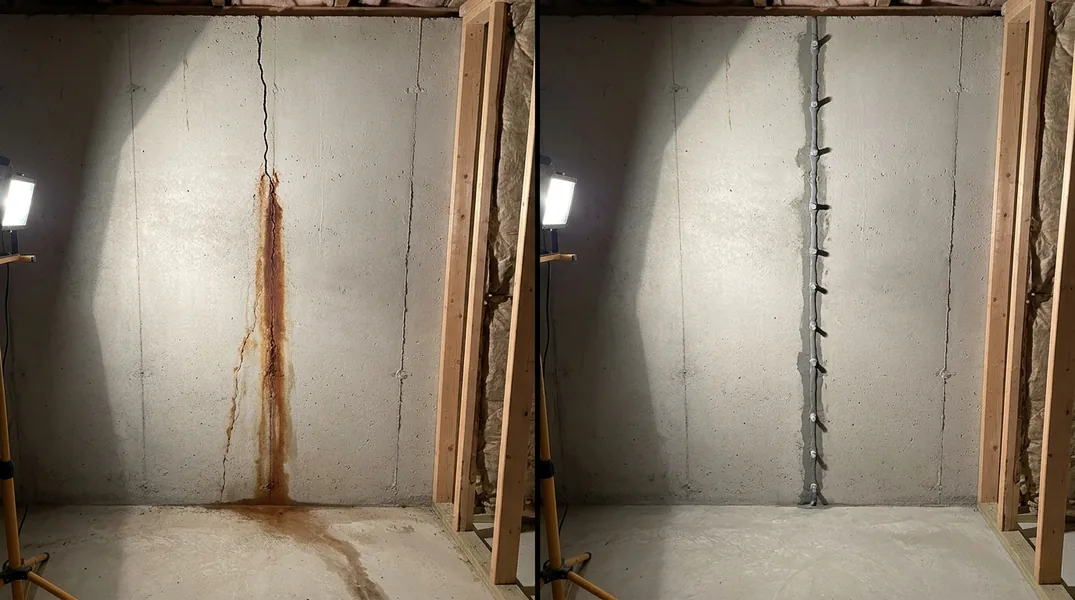
Not every crack is a crisis, but in an older home, basement wall cracks deserve a closer look. Hairline cracks in poured concrete are often just shrinkage from the original cure. However, horizontal cracks, stair-step cracks in block walls, and cracks that widen over time are red flags. These usually point to soil pressure pushing against the wall or uneven settling beneath the footing. If you can see daylight through a crack or notice moisture staining around it, the problem is active and will not fix itself.
In historic neighborhoods, it is common to find brick or stone foundations that have been patched multiple times over the years. Old patches can hide ongoing movement, so a professional assessment matters. A proper evaluation of your basement wall cracks helps distinguish cosmetic issues from structural ones. If you are seeing cracks that concern you, it is worth getting a free estimate before the next rainy season puts your basement to the test.
Bowing Basement Walls and Other Structural Warning Signs
A bowing basement wall is one of the most serious foundation problems signs a homeowner can encounter. When a wall bows inward, it means hydrostatic pressure from saturated soil has exceeded what the wall can resist. You might notice the wall leaning away from you at the top, horizontal cracking along the middle, or gaps where the wall meets the floor joists above. In a College Hill historic home, bowing walls are especially common because older masonry was not designed for today's water loads, and repairs from previous decades may no longer be holding.
Other structural clues include doors and windows that stick suddenly, floors that feel uneven or springy, and visible separation between the foundation and the exterior siding. These symptoms often appear together, and each one reinforces the others. Ignoring a bowing basement wall allows the movement to progress, which drives up repair costs and can eventually compromise the home's structure. Early intervention is almost always less expensive than waiting.
Moisture, Efflorescence, and What Your Basement Is Telling You
Water is the quiet enemy of older foundations. Look for white, chalky deposits on basement walls, known as efflorescence. That powder is salt left behind as moisture moves through the concrete or masonry and evaporates. It is a reliable indicator that water is migrating through the wall, even if the surface feels dry. Musty odors, damp spots, and peeling paint on the lower walls tell a similar story. In homes around Derby and Haysville, the same clay soil issues apply, and basements often show these signs after heavy spring rains.
Persistent moisture does more than damage stored belongings. It weakens mortar, feeds mold, and accelerates the deterioration of foundation materials. A comprehensive approach to Basement Waterproofing addresses both the water source and the structural concerns. Depending on what the inspection reveals, solutions may include an Interior Drain Tile System to manage water at the footing, or Exterior Basement Waterproofing to stop water before it reaches the wall. For homes with active movement, Foundation Waterproofing combines moisture control with stabilization.
Foundation Problems Signs Near Me: When to Call a Professional
Some issues are clearly beyond DIY territory. If you see a bowing basement wall, a crack wider than a quarter inch, or water entering the basement during every significant rain, it is time to bring in a professional. Homeowners in Park City and throughout the metro face the same soil conditions, and the longer a problem sits, the more involved the repair becomes. A trained eye can tell the difference between normal settling and active structural movement, which saves you from unnecessary worry or unnecessary expense.
At Wichita Waterproofing, we specialize in older home foundation repair and understand the specific challenges of historic properties. Our team evaluates the whole picture, from wall movement to drainage, and explains your options in plain language. If you are researching foundation problems signs near me and want a straight answer, call us at (316) 867-9121 or request a free estimate. We will help you understand what is happening below grade and what it takes to protect your home for the long term.
Looking for a professional basement waterproofing contractor in Wichita? Wichita Waterproofing responds fast for all your basement waterproofing needs.
Get a Free QuoteOur services: Basement Waterproofing · Interior Drain Tile System · Exterior Basement Waterproofing